
COLUMN
コラム
Soba in Japan! A Beginner’s Guide to Enjoying Japanese Soba
この記事の監修者
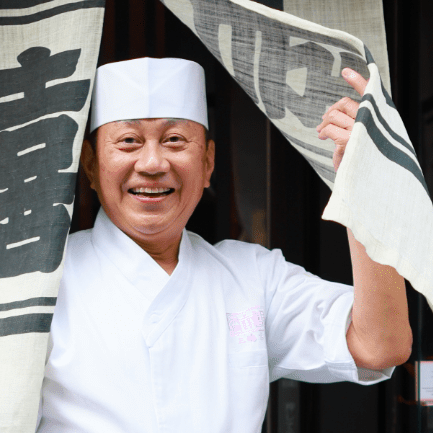
有喜屋 三代目店主
三嶋吉晴
有喜屋(うきや)三代目店主。有喜屋は1929年 京都先斗町に創業した本格手打ちそばと蕎麦料理を提供するそば屋です。 最年少で京都府優秀技能者表彰「京都府の現代の名工」を受彰。 手打そば職人としては全国で初となる「卓越技能章」を厚生労働大臣より受彰。 天皇陛下から授与される褒章である、「黄綬褒章」を拝受。
Soba is one of the foods you should definitely try when visiting Japan.
Alongside sushi and ramen, soba is one of Japan’s best-known dishes. It is enjoyed both as an everyday meal and as a regional specialty when traveling around the country.
However, many international visitors are unsure about the difference between soba and yakisoba. You may also be wondering what kinds of soba are available, how to order at a soba restaurant, or how the noodles are traditionally eaten.
This guide introduces the basic knowledge you need to enjoy soba in Japan, including popular dishes, ordering methods, eating customs, and important dietary considerations for travelers.
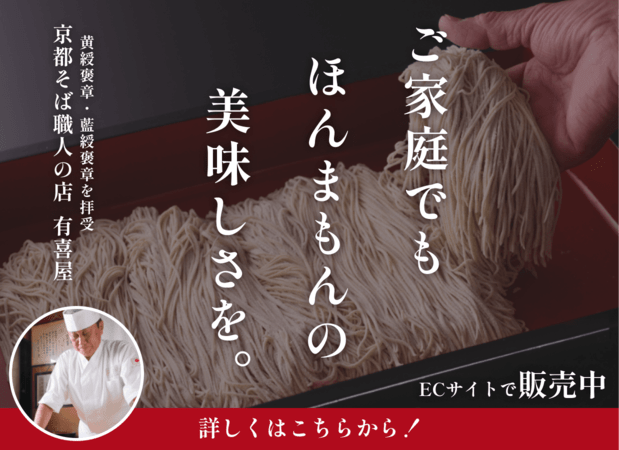
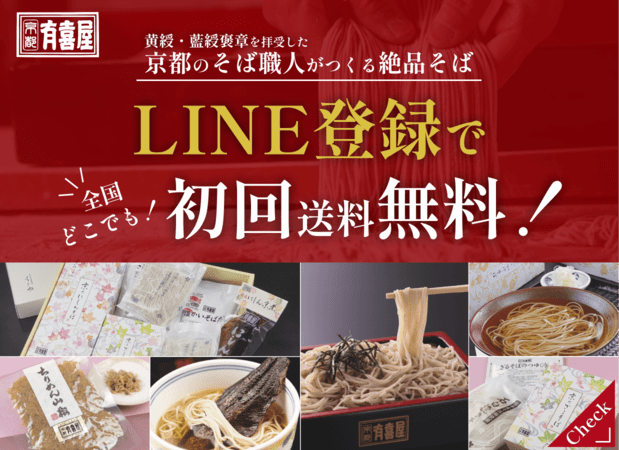
We’re selling the finest soba noodles in our online shop!
目次
- 1. What Is Soba?
- 2. Regional Soba Specialties in Japan
- 3. Popular Soba Dishes and How to Eat Them
- 4. How to Eat Soba and Basic Etiquette
- 5. How to Order at a Soba Restaurant
- 6. Important Things to Know Before Eating Soba
- 7. Make Soba Part of Your Travel Experience in Japan
- Experience Japanese Soba Culture at Ukiya in Kyoto
1. What Is Soba?
Soba is one of Japan’s traditional noodle dishes. Although it may appear simple, the ingredients, preparation methods, regional traditions, and serving styles give it a wide variety of flavors and characteristics.
Let us begin with the basics of Japanese soba.
(1) What Is Soba? The Difference Between Soba and Yakisoba
Soba, written as そば in hiragana or 蕎麦 in kanji, is a traditional Japanese noodle made primarily from flour produced by grinding buckwheat seeds.
The dough is made by adding water to buckwheat flour, kneading it, rolling it out thinly, and cutting it into long, narrow noodles. Soba is known for its distinctive buckwheat aroma, rich flavor, and pleasantly firm texture.
Different types of soba are classified according to the amount of buckwheat flour used.
Juwari soba is made with 100% buckwheat flour and offers a more pronounced buckwheat aroma and flavor. Many soba restaurants also serve noodles made with wheat flour or another binding ingredient. These noodles tend to have a smoother texture and are easier to swallow.
For a more detailed introduction to soba, please also read the following article:
What Is Soba? A Simple Guide to Japan’s Traditional Buckwheat Noodles for International Visitors
Japan also has a dish called yakisoba. Despite the similar name, yakisoba is generally made from wheat-based Chinese-style noodles rather than buckwheat noodles. The noodles are stir-fried with ingredients such as vegetables and meat.
| Soba | Yakisoba | |
|---|---|---|
| English name | Soba / Buckwheat noodles | Yakisoba |
| Main ingredients | Buckwheat flour, wheat flour, and other ingredients | Wheat-based Chinese-style noodles |
| Main cooking method | Boiled and served with dipping sauce or broth | Stir-fried with vegetables, meat, and other ingredients |
| Main flavor | Buckwheat aroma and dashi-based sauce or broth | Savory sauce and stir-fried ingredients |
Although their names are similar, soba and yakisoba are completely different dishes. Remembering this distinction can help when reading menus during your trip.
(2) The History of Soba in Japan
Buckwheat is believed to have arrived in Japan as early as the late Paleolithic period. It first appeared in written records during the Nara period in the eighth century, although it was not initially eaten in the form of long noodles.
The noodle form known as soba-kiri, which resembles the soba eaten today, became widespread between the Muromachi and Edo periods.
During the Edo period, large numbers of food stalls and soba restaurants opened. Soba became especially popular as an affordable and convenient meal for busy city residents.
Today, soba restaurants can be found throughout Japan. Soba continues to be enjoyed as an everyday meal, a regional specialty, and a seasonal tradition.
For more information about the development of soba in Japan, please read the following article:
The History and Evolution of Soba: Did Buckwheat Arrive in Japan Before Rice?
2. Regional Soba Specialties in Japan
Japan has many regional varieties of soba.
Differences in climate, water, buckwheat varieties, local ingredients, and dashi culture have created distinctive flavors and serving styles in different parts of the country.
Three varieties are commonly introduced as the “Three Great Soba of Japan.”
(1) Wanko Soba — Iwate Prefecture
Wanko soba consists of small portions of warm soba served in individual bowls.
A server continually refills the bowl while calling out energetic phrases such as “Hai, jan jan!” Guests continue eating until they place a lid over the bowl to indicate that they have finished.
(2) Togakushi Soba — Nagano Prefecture
Togakushi soba is known for its distinctive bocchi-mori presentation, in which the noodles are arranged in several small bundles.
It is often served with condiments such as spicy grated daikon radish.
(3) Izumo Soba — Shimane Prefecture
Izumo soba is made using a grinding method known as hikigurumi, in which much of the buckwheat seed, including the darker outer layers, is ground into flour.
This method produces dark-colored noodles with a rich aroma and pronounced buckwheat flavor. Izumo soba is one of Shimane Prefecture’s best-known regional dishes.
Each of these varieties has its own history and food culture, and they are widely recognized as representative regional soba dishes.
Many other distinctive soba varieties can be found across Japan.
- Echizen soba — Fukui Prefecture and surrounding areas: Famous for oroshi soba, which is served with grated daikon radish.
- Shinshu soba — Nagano Prefecture: Known for aromatic buckwheat grown in the region’s cool climate.
- Hegi soba — Niigata Prefecture: Made with funori seaweed as a binding ingredient, giving the noodles a smooth texture.
- Kawara soba — Yamaguchi Prefecture: Green tea soba noodles, beef, shredded egg, and other ingredients served on a heated roof tile.
In Kyoto, Japan’s historic capital, soba is also enjoyed with refined broth made from ingredients such as kombu kelp and dried bonito flakes.
The delicate flavors of Kyoto-style soba reflect the city’s distinctive culinary culture.
Trying regional soba while traveling is an excellent way to experience the local food culture, climate, and traditions of each destination. When visiting different parts of Japan, look for the soba specialties unique to that region.
3. Popular Soba Dishes and How to Eat Them
Japanese soba dishes can generally be divided into two categories: cold soba and hot soba.
The flavor of the sauce or broth, the texture of the noodles, and the seasons in which they are commonly enjoyed differ between the two styles.
Understanding their characteristics will make it easier to choose a dish that suits your preferences when visiting a soba restaurant.
(1) Cold Soba
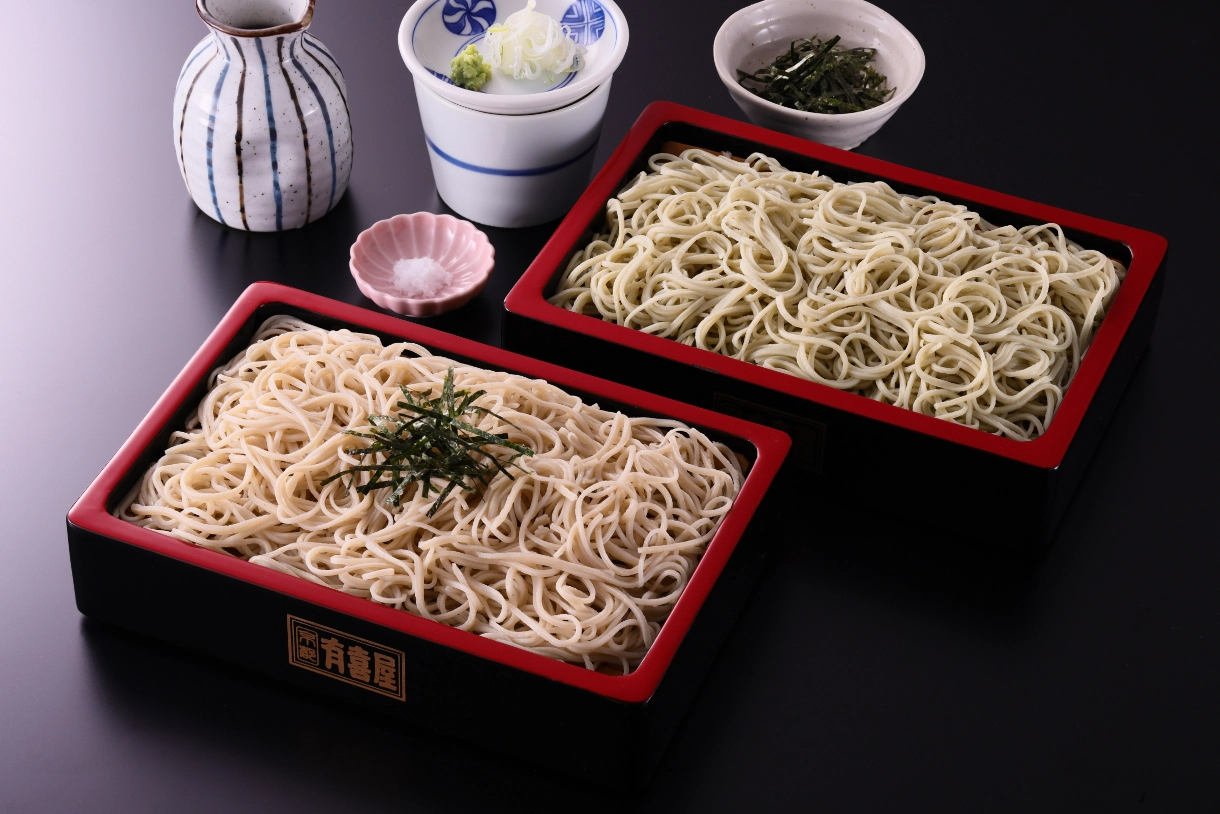
Cold soba is prepared by boiling the noodles, rinsing and cooling them thoroughly in cold water, draining them, and serving them on a bamboo tray or plate.
Popular examples include zaru soba and mori soba. Cold soba is especially popular during the warmer months.
Both zaru soba and mori soba are served with a separate dipping sauce.
Zaru soba is commonly topped with shredded nori seaweed, while mori soba is usually served without it. However, names and serving styles may differ depending on the restaurant.
To eat cold soba, pick up a bite-sized portion of noodles and lightly dip it into the small cup of concentrated soba sauce.
Rather than soaking the noodles completely, dipping only part of them allows you to appreciate more of their natural aroma and flavor.
Condiments such as wasabi and chopped green onion may also be provided. Add them gradually to adjust the flavor to your preference.
(2) Hot Soba
Hot soba is served in a bowl of warm, dashi-based broth known as kake-tsuyu.
It is especially popular during colder seasons and is enjoyed as a comforting meal that warms the body.
Popular dishes include kamo nanban soba, which contains duck and green onion, and nishin soba, which is topped with sweet and savory simmered herring and is widely enjoyed in Kyoto.
You may begin by tasting a small amount of broth before eating the noodles and toppings together. This allows you to appreciate the combination of dashi, noodles, and other ingredients.
However, there is no required order in which you must eat them.
4. How to Eat Soba and Basic Etiquette
There are no strict rules or formal manners for eating soba.
Even if it is your first time eating soba in Japan, you can enjoy it in whatever way feels most comfortable.
The following points introduce common eating customs and simple ways to appreciate soba more fully.
(1) There Are No Strict Rules
There are no detailed rules about how soba must be eaten.
Japanese diners also have different personal preferences, so there is no need to worry about following one correct method.
Relax and enjoy your meal in the way that is easiest for you.
(2) It Is Acceptable to Slurp Soba
In Japan, making a slurping sound while eating soba is generally not considered bad manners. In fact, it is a common way to eat the noodles.
Some people believe that drawing in air while slurping makes it easier to appreciate the aroma of the soba.
However, you do not have to slurp. If you find it difficult or uncomfortable, simply eat the noodles in the way that feels natural to you.
(3) Finish Your Meal with Sobayu
Some soba restaurants provide sobayu in a small pot after the meal.
Sobayu is the hot water in which the soba noodles were cooked. It is commonly poured into the remaining dipping sauce and enjoyed as a warm drink.
The combination of dashi flavor and buckwheat aroma offers a uniquely Japanese way to finish a soba meal.
It may seem unusual the first time you see it, but it is well worth trying.
5. How to Order at a Soba Restaurant
When visiting a Japanese soba restaurant for the first time, you may be unsure about how to order or pay.
Learning the basic process and a few common menu terms can help you enjoy your meal with confidence.
(1) Check How to Order and Pay
Soba restaurants generally use one of two ordering systems: ordering from your seat or buying a meal ticket from a vending machine.
At restaurants with table service, look at the menu and place your order with a member of staff. Payment is usually made at the register after the meal.
At restaurants with a ticket vending machine, choose your desired dish and pay before sitting down. You will then receive a meal ticket, which should be handed to a member of staff.
Some restaurants use a self-service system. You may need to order and pay at the counter in advance or return your dishes to a designated area after eating.
Ordering and payment systems vary, so check the signs near the entrance, counter, or ticket machine.
When you are unsure, observe what other customers are doing or ask a member of staff for assistance.
(2) Common Words on Soba Menus
Knowing a few common Japanese menu terms can make ordering much easier.
- 冷/冷たい — Cold: Cold soba
- 温/温かい — Hot: Soba served in warm broth
- 並 — Regular size: The standard portion of noodles
- 大盛り — Large portion: A larger serving of noodles, usually available for an additional charge
- 単品 — À la carte / Item only: A single dish ordered without a set meal
- セット — Set: A combination that may include soba, a small rice bowl, tempura, or another side dish
- 定食 — Teishoku / Set meal: A larger meal that usually includes rice and side dishes
At many soba restaurants, you can order soba on its own. Set meals combining soba with tempura or a rice bowl are also popular.
Use these terms to choose a meal that suits your appetite and budget.
(3) Useful Japanese Phrases for Ordering Soba
A few simple Japanese phrases can help you communicate with restaurant staff and choose a suitable dish.
| Japanese | How to read | English |
| このそばはどんなそばですか? | Kono soba wa donna soba desu ka? | What kind of soba is this? |
| おすすめはどれですか? | Osusume wa dore desu ka? | Which dish do you recommend? |
| 英語のメニューはありますか? | Eigo no menyū wa arimasu ka? | Do you have an English menu? |
| グルテンフリーですか? | Guruten furī desu ka? | Is this gluten-free? |
Using these phrases can help you understand the menu and find a dish that meets your needs.
6. Important Things to Know Before Eating Soba
Depending on your allergies and dietary preferences, there are several things you should check before ordering soba.
Keep the following three points in mind so that you can enjoy your meal safely.
- Buckwheat can cause an allergic reaction.
- Many soba noodles contain wheat flour.
- Soba dishes are not always vegetarian.
(1) Be Aware of Buckwheat Allergies
Buckwheat can cause severe allergic reactions in some people.
If you have a buckwheat allergy or are concerned about a possible reaction, always speak to the restaurant staff before ordering.
Because soba may be prepared in the same kitchen as other dishes, there may also be a risk of cross-contact. Ask the staff about this possibility when necessary.
(2) Many Soba Noodles Contain Wheat Flour
Not all soba noodles are made with 100% buckwheat flour.
Many restaurants add wheat flour as a binding ingredient. This helps prevent the noodles from breaking and gives them a smoother texture.
If you need to avoid gluten, ask whether the noodles are juwari soba made entirely from buckwheat flour.
Even when the noodles are made only from buckwheat, sauces, seasonings, and cross-contact in the kitchen may still involve wheat. Confirm the ingredients and preparation methods directly with the restaurant.
(3) Soba Is Not Always Vegetarian
Although soba noodles themselves are plant-based, the dipping sauce and broth commonly contain dashi made from fish ingredients such as dried bonito flakes or dried sardines.
Some dishes also include meat or fish toppings.
Vegetarian and vegan travelers should ask about the ingredients used in the broth, sauce, and toppings before ordering.
7. Make Soba Part of Your Travel Experience in Japan
During your trip to Japan, consider not only eating soba but also trying to make it yourself.
Soba-making offers a valuable opportunity to experience Japanese food culture and traditional craftsmanship.
By taking part in the process, you can discover details that are difficult to appreciate simply by eating the finished dish. It can become a memorable part of your journey through Japan.
In Kyoto, some long-established soba restaurants offer hands-on soba-making classes.
Participants can knead the flour into dough, roll it out thinly, cut it into noodles, and enjoy the soba they have made.
Ukiya Soba-Making School — UKIKYOU SHINRYU
Experience Japanese Soba Culture at Ukiya in Kyoto
Soba is more than a simple noodle dish. It is an important part of Japanese food culture, shaped by regional history, local traditions, and the changing seasons.
You can enjoy the natural aroma of cold soba, appreciate the combination of hot soba and dashi broth, search for regional specialties during your travels, or experience the process of making soba yourself.
Ukiya, a long-established soba restaurant in Kyoto, serves soba dishes that reflect the city’s seasonal ingredients and refined culinary culture.
Through its soba-making experience, visitors can prepare dough from buckwheat flour, make their own noodles, and gain a deeper appreciation of traditional Japanese food culture.
Ukiya also offers products through our online shop, allowing you to enjoy authentic soba flavors at home.
During your visit to Kyoto, discover the flavors, craftsmanship, and traditions of soba and create a memorable experience unique to Japan.