

COLUMN
コラム
What Is a Soba Master? Discover the Skills of Japanese Soba Artisans and How to Experience Their Craft

この記事の監修者
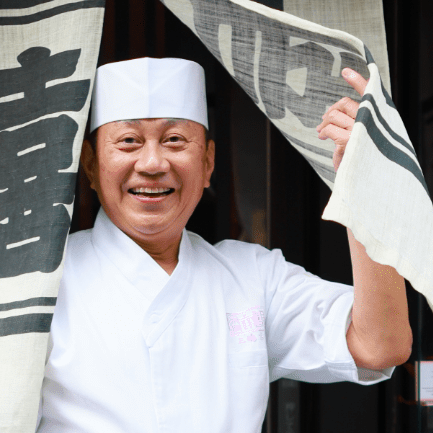
有喜屋 三代目店主
三嶋吉晴
有喜屋(うきや)三代目店主。有喜屋は1929年 京都先斗町に創業した本格手打ちそばと蕎麦料理を提供するそば屋です。 最年少で京都府優秀技能者表彰「京都府の現代の名工」を受彰。 手打そば職人としては全国で初となる「卓越技能章」を厚生労働大臣より受彰。 天皇陛下から授与される褒章である、「黄綬褒章」を拝受。
Soba is a traditional Japanese noodle dish that has been enjoyed throughout Japan for generations. From selecting ingredients to preparing and finishing the noodles, soba making reflects the knowledge and techniques developed by skilled artisans over many years.
To gain a deeper appreciation of soba, it is worth learning about the people who make it.
In this article, we explore the role of a Soba Master, the craftsmanship behind handmade soba, and ways to experience traditional soba-making techniques during your visit to Japan.
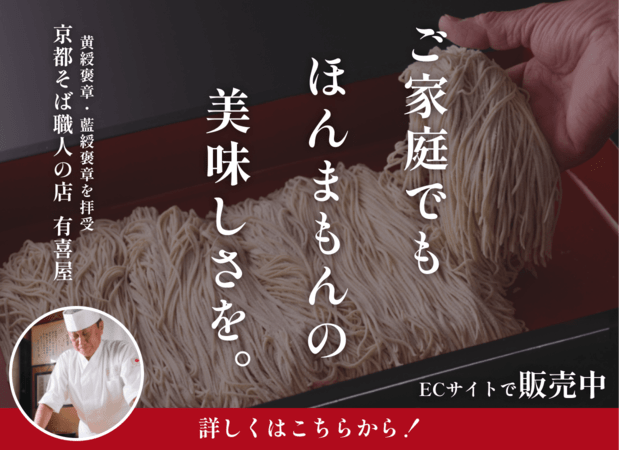
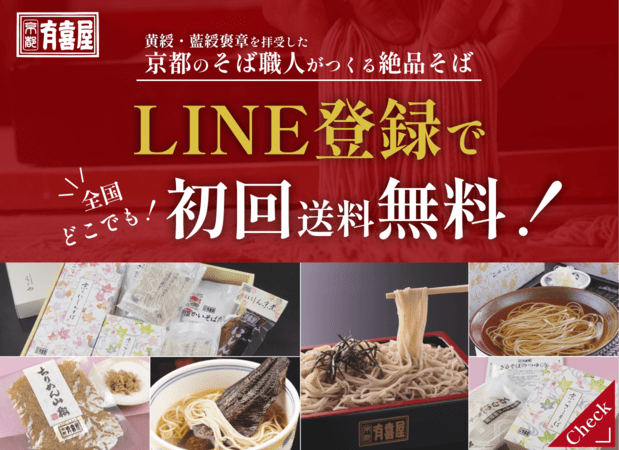
We’re selling the finest soba noodles in our online shop!
1. What Is a Soba Master?
The term “Soba Master” is sometimes used in English to describe a highly skilled Japanese soba artisan with extensive experience and expertise in making soba noodles.
Although it is not an official professional qualification in Japan, the term is used to recognize artisans who have developed exceptional knowledge and skills in soba making.
Learning about the techniques of a Soba Master offers an opportunity to discover aspects of Japanese food culture and traditional craftsmanship that may not be immediately apparent when simply enjoying a bowl of soba.
2. Three Reasons Why Skilled Craftsmanship Matters in Soba Making
The quality of soba can vary depending on the characteristics of the buckwheat flour and the conditions in which the noodles are made.
To consistently produce high-quality soba, artisans must understand their ingredients and make careful adjustments throughout the preparation process.
There are three main reasons why traditional soba making requires skill and experience:
- Buckwheat flour is a delicate ingredient to work with.
- Temperature, humidity, and seasonal conditions can affect the dough.
- An artisan’s techniques influence the flavor and texture of the noodles.
(1) Buckwheat Flour Is a Delicate Ingredient
One reason soba making can be challenging is the unique nature of buckwheat flour.
Gluten, which develops from proteins found in wheat flour when mixed with water, gives wheat-based dough its elasticity and structure. Buckwheat flour, however, does not naturally contain gluten, making it more difficult to form a cohesive dough and shape it into noodles.
This is particularly important when making juwari soba, a type of soba prepared entirely from buckwheat flour without any additional binding ingredients.
Because the dough can break easily, producing evenly shaped noodles requires considerable skill and experience.
Another common type is nihachi soba, traditionally made with approximately 80% buckwheat flour and 20% wheat flour. The addition of wheat flour affects the dough’s properties, as well as the noodles’ flavor and texture. Unlike pure buckwheat flour, nihachi soba contains gluten from wheat.
Understanding these differences and adapting techniques to each type of dough is essential for bringing out soba’s natural aroma while achieving a smooth, pleasant texture.
To learn more about the differences between juwari and nihachi soba, explore these related articles:
- What Is Juwari Soba? Its Characteristics and Differences from Nihachi Soba (in Japanese)
- What Does “Nihachi” Mean in Nihachi Soba? (in Japanese)
(2) Temperature and Humidity Affect Soba Dough
Even when using the same amounts of buckwheat flour and water, soba dough does not always turn out exactly the same.
Temperature, humidity, and the condition of the flour can influence how water is absorbed and how easily the dough comes together.
Experienced artisans carefully observe the dough and adjust the amount of water and their preparation methods as needed.
Rather than simply following a fixed recipe, they rely on their judgment to respond to the conditions of each batch.
This sensitivity to changes in the dough is developed through years of practice and experience.
(3) Different Artisans Create Different Flavors and Textures
The flavor and texture of soba depend on more than the type of buckwheat flour used.
The milling method, kneading technique, thickness of the dough, width of the noodles, cooking time, and cooling process all contribute to the final result. The dipping sauce or broth served with the noodles also plays an important role.
For example, thin noodles and thicker noodles create different textures and sensations when eaten.
The way noodles are boiled and cooled can also affect their firmness and smoothness.
Each artisan makes decisions about how to combine these techniques to achieve a particular flavor and texture.
These individual choices and skills help give each bowl of soba its distinctive character.
3. How a Soba Master Makes Soba: Traditional Techniques and Attention to Detail
Handmade soba involves much more than simply mixing flour and turning it into noodles.
From selecting ingredients to preparing the finished dish, skilled artisans carefully assess the dough and perform each step with precision.
Let’s explore the four main stages of traditional handmade soba making.
- Selecting the right buckwheat flour
- Mixing the flour with water (mizumawashi)
- Kneading, rolling, and cutting the dough
- Boiling and finishing the noodles
(1) Choosing the Right Buckwheat Flour
Making delicious soba begins with choosing the right buckwheat flour.
The variety and growing region of the buckwheat can influence its flavor, while the milling method and particle size can affect the noodles’ aroma and texture.
Artisans carefully select flour based on the type of soba they want to create.
When making nihachi soba, the proportion of buckwheat flour to wheat flour is another important consideration.
These early decisions about the ingredients and their proportions help determine the character of the finished noodles.
(2) Mizumawashi: The Art of Mixing Water into Buckwheat Flour
Mizumawashi is the process of adding water to buckwheat flour and distributing the moisture evenly throughout the mixture.
If too little water is added, the dough may be difficult to bring together. Too much water, on the other hand, can make it excessively soft.
Experienced artisans gradually add water while considering the condition of the flour, the temperature, and the humidity.
The key is not simply adding water but carefully observing how the flour changes and guiding the mixture toward the right consistency.
Artisans use their sense of touch to assess the texture and adjust both the amount and timing of the water added.
The condition of the mixture at this stage influences how easily the dough can be handled and the quality of the finished noodles.
(3) Kneading, Rolling, and Cutting: Techniques That Shape Soba’s Texture
Once the water has been evenly incorporated, the flour mixture is kneaded into a cohesive dough.
The direction and strength of the pressure applied, as well as the kneading time, can affect the dough’s consistency.
The next stage is noshi, the process of rolling the dough into a thin sheet using a rolling pin.
Artisans must maintain a consistent thickness throughout the sheet, as uneven dough can affect how the noodles cook and their final texture.
Once the dough has been rolled thin, it is carefully folded and cut into narrow strands using a specialized soba knife.
Cutting the noodles to a consistent width is important not only for their appearance but also for ensuring even cooking and a uniform texture.
Because the dough can become dry and more likely to break, artisans must work efficiently while maintaining precision.
Throughout the kneading, rolling, and cutting stages, the artisan’s experience is reflected in how they apply pressure, handle their tools, and control their movements.
(4) Boiling and Cooling: The Final Steps to Perfect Soba
Boiling and cooling the noodles are essential steps that influence the finished dish’s flavor and texture.
Artisans adjust the cooking time according to the thickness and condition of the noodles.
After boiling, the noodles are rinsed in water to remove excess starch from their surface.
For cold soba, the noodles are then chilled in cold water to create a firmer texture and a smooth, refreshing mouthfeel.
For hot soba, the noodles may be briefly reheated before being served with warm broth.
From selecting the ingredients to preparing, cooking, and finishing the noodles, every step involves techniques and careful attention developed through experience.
4. How to Experience the Skills of a Soba Master in Japan
There are several ways to discover the craftsmanship of Japanese soba artisans firsthand.
By observing their techniques or trying soba making yourself, you can gain a deeper appreciation of the effort and skill behind this traditional dish.
Here are three ways to experience the art of soba making in Japan.
- Watch a soba artisan at work.
- Enjoy freshly made handmade soba.
- Join a hands-on soba-making experience.
(1) Watch a Soba Artisan at Work
Some soba restaurants and workshops allow visitors to watch artisans making noodles.
During a demonstration, you may see how buckwheat flour is transformed into dough, how the dough is rolled into an even sheet, and how an artisan uses a specialized knife to cut the noodles with precise, rhythmic movements.
Observing these techniques up close offers a unique opportunity to appreciate the care and attention involved in making a single bowl of soba.
As demonstrations are not available at every restaurant, it is best to check in advance.
(2) Enjoy Freshly Made Handmade Soba
One of the best ways to appreciate the skills of a soba artisan is to taste handmade soba.
If you want to experience the natural aroma, firm texture, and smooth mouthfeel of soba noodles, cold zaru soba is an excellent choice.
For a different experience, hot soba offers the comforting combination of buckwheat noodles and flavorful Japanese dashi broth.
Both styles allow you to enjoy the distinctive qualities of traditional Japanese soba.
(3) Join a Hands-On Soba-Making Experience
For those who want to gain a deeper understanding of soba making, participating in a hands-on workshop is a memorable way to experience the craft.
During a soba-making experience, you can try the different stages of preparation yourself, from mixing the flour with water to kneading, rolling, and cutting the dough.
These activities help you understand both the difficulty and the depth of traditional soba making, as well as the level of skill required to produce consistent noodles.
Tasting soba that you have made yourself can also bring you closer to Japan’s culinary traditions.
At Ukiya in Kyoto, visitors can take part in soba-making classes at the Ukiya Soba-Making School.
The school offers introductory experiences for beginners, as well as courses for those who wish to continue developing their soba-making skills.
Under the guidance of experienced instructors, participants can discover how challenging it is to handle buckwheat flour, prepare the dough, and shape the noodles.
Watching skilled artisans and trying these techniques yourself provides an appreciation of soba craftsmanship that goes beyond simply eating the finished dish.
Experience the Skills and Dedication of a Soba Master at Ukiya in Kyoto
If you would like to discover traditional Japanese soba craftsmanship during your visit to Kyoto, consider visiting Ukiya.
At Ukiya, you can enjoy handmade soba prepared by skilled artisans and experience traditional soba-making techniques through hands-on classes.
Let’s take a closer look at the expertise of Ukiya’s third-generation owner, Yoshiharu Mishima, and his dedication to preserving and sharing Japan’s soba culture.
Yoshiharu Mishima, the third-generation owner of Ukiya, is a skilled soba artisan who has dedicated his career to refining soba-making techniques and promoting soba culture in Kyoto.
In 2003, he became the youngest person at the time to be selected as a Contemporary Master Craftsman by Kyoto Prefecture.
In 2011, he became the first handmade soba artisan in Japan to be recognized with the national Contemporary Master Craftsman honor.
He was subsequently awarded the Medal with Yellow Ribbon in 2013 and the Medal with Blue Ribbon in 2019.
One of Mishima’s guiding principles is combining the traditional handmade soba techniques he learned in Tokyo with Kyoto’s distinctive dashi broth culture.
By bringing out the natural flavors of buckwheat noodles and complementing them with the rich umami of dashi, he strives to create a style of soba that reflects Kyoto’s culinary heritage.
In 1996, Mishima also established a soba-making school to share his knowledge and techniques with others.
Through training future soba artisans and providing opportunities for people to learn the craft, he continues to contribute to the preservation of traditional Japanese soba culture.
Ukiya offers hands-on soba-making classes through its Soba-Making School, where participants can learn traditional techniques under the guidance of experienced instructors.
The school provides introductory experiences for beginners, as well as ongoing courses for those who wish to develop their skills further.
By handling buckwheat flour, kneading and rolling the dough, and cutting the noodles yourself, you can discover the precision and attention to detail involved in traditional soba making.
These hands-on activities offer a deeper understanding of the techniques that skilled artisans have spent years mastering.
When visiting Kyoto, why not go beyond enjoying a delicious bowl of handmade soba and experience the craftsmanship behind it?