
COLUMN
コラム
Handmade Soba in Japan: A Guide to Traditional Buckwheat Noodles
この記事の監修者
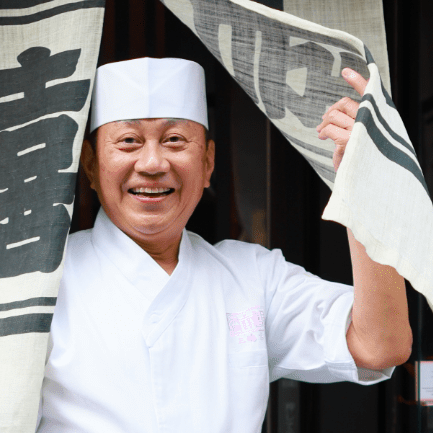
有喜屋 三代目店主
三嶋吉晴
有喜屋(うきや)三代目店主。有喜屋は1929年 京都先斗町に創業した本格手打ちそばと蕎麦料理を提供するそば屋です。 最年少で京都府優秀技能者表彰「京都府の現代の名工」を受彰。 手打そば職人としては全国で初となる「卓越技能章」を厚生労働大臣より受彰。 天皇陛下から授与される褒章である、「黄綬褒章」を拝受。
One of Japan’s most iconic noodle dishes is soba, and one of the best ways to experience its authentic flavor is through handmade soba.
Across Japan, soba restaurants offer unique varieties of noodles, each reflecting the characteristics of its ingredients and craftsmanship. The flavor and texture of soba can differ depending on the region where the buckwheat is grown, the ratio of ingredients, the thickness of the noodles, the preparation method, and even the dipping sauce and toppings.
Among the many types of soba, handmade soba (teuchi soba) is a traditional style where skilled artisans carefully prepare each step by hand while adjusting to the condition of the buckwheat flour and dough.
In this article, we will introduce the basics of handmade soba, including the differences between handmade and machine-made soba, the process of making soba noodles, and popular ways to enjoy them, such as cold soba and hot soba. We will also explain important points to know, including dietary considerations.
目次
1. What Is Handmade Soba?
Soba’s flavor and texture are influenced not only by the ingredients used but also by the way the noodles are made. Here, we introduce the basics of handmade soba and what makes it special.
(1) What Is Handmade Soba?
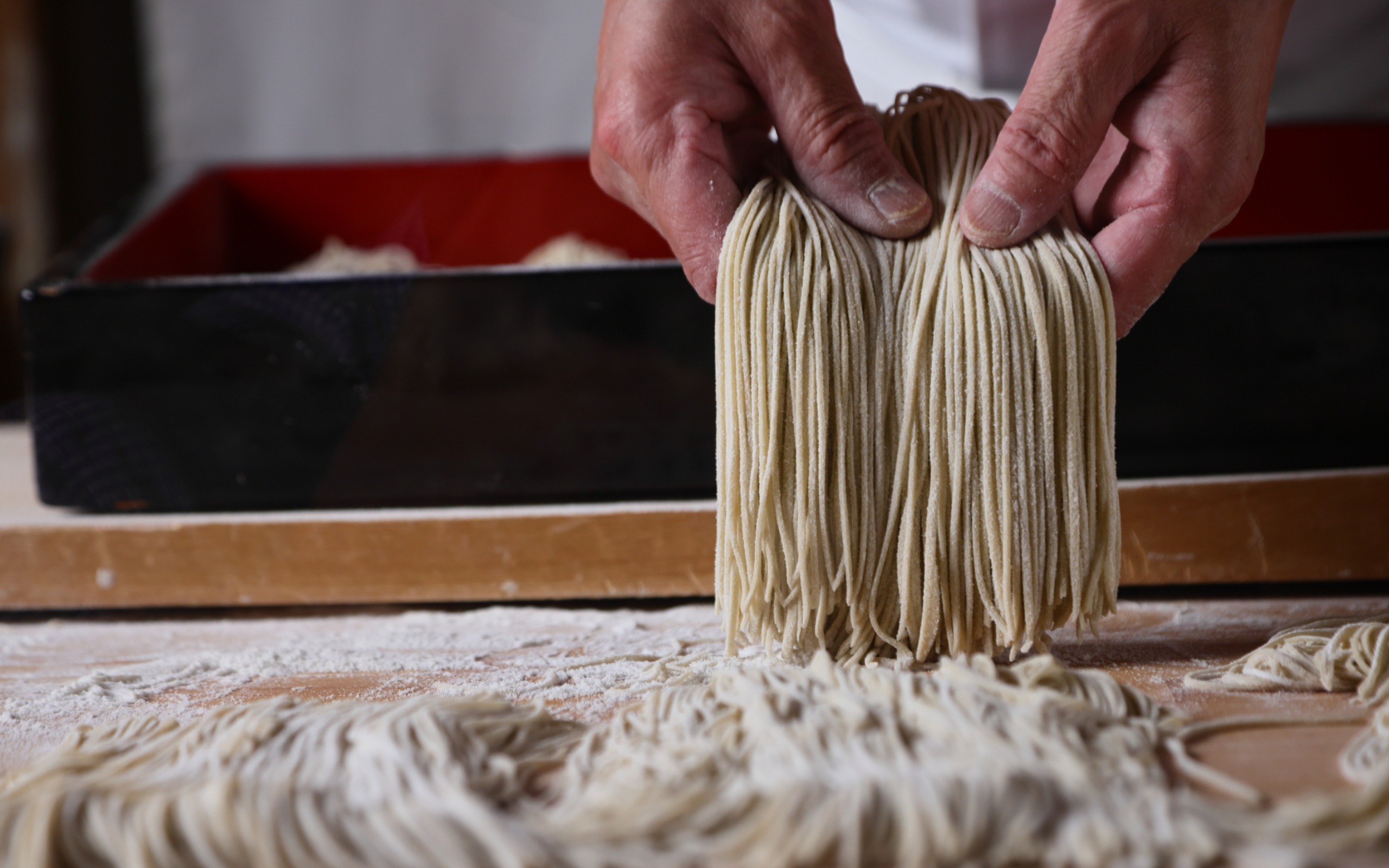
Handmade soba is a type of soba noodle prepared through traditional hand-making techniques. The process involves mixing buckwheat flour with water to create dough, rolling it out with a rolling pin, and cutting it into noodles using a traditional soba knife.
Handmade soba is a traditional preparation method that has been enjoyed in Japan for centuries and is still offered at many soba restaurants today.
One of the greatest appeals of handmade soba is the variety of flavors and textures created by the artisan’s skills. The aroma, firmness, and smooth texture of the noodles can change depending on the type of buckwheat flour used, the ingredient ratio, and the techniques used during preparation.
(2) Ingredients Used in Handmade Soba
The basic ingredients of handmade soba are buckwheat flour and water.
Soba made with 100% buckwheat flour is called “Juwari Soba” (十割そば). Because buckwheat does not contain gluten, making noodles with only buckwheat flour requires advanced techniques to create a dough that holds together.
Another popular style is “Nihachi Soba” (二八そば), which is made by adding wheat flour as a binding ingredient.
The name “Nihachi” comes from the traditional ratio of ingredients: 80% buckwheat flour and 20% wheat flour. Some restaurants may also use other binding ingredients, such as yam, depending on their own recipe.
The percentage of buckwheat flour and the ingredients used affect the aroma, texture, and smoothness of the noodles. When visiting a soba restaurant, checking what type of soba they serve can be a great way to discover different styles of this traditional Japanese food.
For more information about Juwari Soba, please see the following article:
2. Differences Between Handmade Soba and Machine-Made Soba
In Japan, soba is made in various ways. In addition to handmade soba (teuchi soba) prepared by skilled artisans, there is also soba produced using machines.
Both types of soba are commonly enjoyed throughout Japan, but their preparation methods and characteristics are different.
| Handmade Soba | Machine-Made Soba | |
| Process | Artisans mix buckwheat flour with water, knead the dough, roll it out, and cut the noodles by hand. | Machines are used to knead, roll, and shape the dough into noodles. |
| Shape | Because the noodles are cut by hand, there may be slight differences in thickness, giving them a handmade character. | Machines can produce noodles with a consistent thickness and shape. |
| Flavor and texture | The flavor and texture can vary depending on the type of buckwheat flour, milling method, ingredient ratio, preparation technique, and boiling method. | The manufacturing process can be standardized, making it easier to maintain consistent noodle size, shape, and texture. |
| Appeal | Each bowl offers a unique experience created by the artisan’s skills and choice of ingredients. | Allows restaurants to efficiently provide soba with stable quality. |
Handmade soba requires artisans to carefully adjust the amount of water and the pressure applied to the dough according to conditions such as the quality of the buckwheat flour, temperature, and humidity on that day.
These small adjustments are what create the unique characteristics of each restaurant, including the aroma, firmness, and texture of the noodles.
At some soba restaurants, guests can watch the soba-making process inside the restaurant. Seeing buckwheat flour transformed into dough, rolled thin with a long rolling pin, and carefully cut into noodles is one of the unique experiences that handmade soba offers.
3. How Handmade Soba Is Made
Handmade soba is created through several steps, beginning with selecting buckwheat flour and continuing through kneading, rolling, cutting, and boiling the noodles.
Although the process may appear simple, each step requires skill and experience from the artisan.
Here is a basic overview of how handmade soba is made.
- Selecting buckwheat flour
- Mixing buckwheat flour with water and kneading the dough
- Rolling the dough into a thin sheet
- Folding the dough and cutting it into noodles
- Boiling the noodles
(1) Selecting Buckwheat Flour
One of the most important steps in making delicious soba is selecting the right buckwheat flour.
The aroma and flavor of buckwheat flour vary depending on factors such as where the buckwheat is grown, the variety of buckwheat, and the milling method.
The ratio of buckwheat flour to binding ingredients also affects the texture of the noodles, including how easily they break and how much firmness they have.
Choosing the right type of buckwheat flour and the appropriate ingredient ratio is an essential part of creating the unique taste of soba.
(2) Mixing Buckwheat Flour with Water and Kneading the Dough
The next step is adding water to the buckwheat flour.
The process of gradually adding water to buckwheat flour and evenly mixing it is called “Mizu-mawashi” (水回し).
Artisans add water little by little while carefully checking the condition of the dough and adjusting the amount of water needed.
Because the ideal amount of water changes depending on temperature and humidity, this step requires experience and skill.
(3) Rolling the Dough Thin
Once the dough has come together, it is rolled out thin using a long rolling pin.
The artisan carefully adjusts the amount of pressure to avoid damaging the dough and creates a sheet with an even thickness.
By observing the condition of the dough, skilled artisans are able to roll it out smoothly and precisely.
(4) Folding and Cutting the Dough
After the dough has been rolled into a thin sheet, it is folded and cut into noodles using a special soba knife.
Creating noodles with an even width requires a high level of skill and experience.
After cutting, the soba noodles move on to the final preparation stage: boiling.
(5) Boiling the Noodles
Soba noodles are boiled for an appropriate amount of time depending on their thickness and condition.
For cold soba, the boiled noodles are rinsed and cooled in cold water. This process helps bring out their firmness and pleasant texture.
For hot soba, some restaurants also cool the noodles briefly in cold water before placing them into warm broth.
4. Recommended Ways to Enjoy Handmade Soba
Here are some recommended ways to enjoy handmade soba.
(1) Cold Soba (Zaru Soba / Mori Soba)
If you want to fully enjoy the natural aroma and smooth texture of handmade soba, cold soba is highly recommended.
Popular types of cold soba include zaru soba and mori soba. In general, the soba noodles and dipping sauce are served separately.
| Step | How to Eat Cold Soba |
| 1 | Pour the soba dipping sauce into a small bowl. |
| 2 | Dip a small amount of soba noodles into the sauce. |
| 3 | Add toppings such as condiments according to your preference. |
| 4 | Enjoy the noodles by gently slurping them. |
| 5 | Enjoy sobayu after finishing your meal. |
To appreciate the natural flavor of handmade soba, it is recommended to dip only the tip of the noodles into the sauce.
This allows you to first experience the aroma and taste of the soba itself before enjoying the flavor of the dipping sauce.
For toppings such as wasabi and green onions, placing them directly on the noodles rather than mixing them into the sauce can help bring out their aroma and flavor.
At restaurants that serve sobayu, the hot water used to boil the soba noodles, you can enjoy it after your meal by adding it to the remaining dipping sauce.
For more information about sobayu, please see the following article:
Why Do Japanese People Drink Sobayu? How to Enjoy It, Important Points to Know, and Its History
(2) Hot Soba
During colder seasons, hot soba is also a popular choice.
Common varieties include kake soba, tempura soba, kitsune soba, and kamo nanban soba.
The appeal of hot soba is that you can enjoy not only the flavor of the noodles themselves but also the aroma of the dashi broth, the taste of the soup, and the combination of various toppings.
When eating hot soba, it is common to first taste a small amount of the broth, then enjoy the noodles together with the soup and toppings.
You can add condiments according to your preference.
There is no strict rule for eating soba. You can enjoy it by gently slurping the noodles, as is traditional in Japan, or simply eating them normally.
After finishing the noodles, you can enjoy the remaining soup according to your preference.
5. Important Points to Know When Eating Handmade Soba
Before enjoying handmade soba, there are several important points to keep in mind.
(1) Do Not Eat Soba If You Have a Buckwheat Allergy
Soba is a food that can cause allergic reactions.
People with a buckwheat (soba) allergy may experience symptoms even after consuming a small amount, so they should avoid eating soba.
If someone traveling with you has a soba allergy, it is also recommended to confirm the ingredients and preparation methods with the restaurant before visiting.
(2) Handmade Soba Is Not Always Gluten-Free
Handmade soba is not necessarily gluten-free.
Some types of soba, such as Nihachi Soba, contain wheat flour as a binding ingredient.
Even if the soba is made with 100% buckwheat flour (Juwari Soba), there may still be a risk of cross-contamination depending on whether wheat flour is used in the restaurant’s kitchen.
If you need to avoid gluten, do not judge only by the percentage of buckwheat flour. Instead, ask the restaurant about the ingredients and preparation environment.
For more information about gluten in soba, please see the following article:
Is Soba Gluten-Free? Tips for Choosing Soba Products, Benefits, and Recommended Menu Options
(3) Vegans and Vegetarians Should Check the Soup and Toppings
Soba noodles themselves are made from plant-based ingredients, but soba dipping sauce and soup may contain animal-derived ingredients such as katsuobushi (dried bonito flakes).
For dishes such as tempura soba, it is also important to check the ingredients used in the toppings, batter, and soup.
If you follow a vegan or vegetarian diet, we recommend checking not only the soba noodles but also the ingredients in the soup, condiments, and toppings before ordering.
Enjoy Freshly Made Handmade Soba at Ukiya
The appeal of handmade soba lies not only in the aroma and texture created by buckwheat flour, but also in the craftsmanship behind every step of the process.
From selecting the ingredients and kneading the dough to rolling, cutting, and boiling the noodles, every step reflects the skill and experience of the artisan.
When visiting Japan, be sure to experience freshly made handmade soba and discover the traditional culture behind this beloved Japanese dish.
For those who would like to see how handmade soba is created, Ukiya also offers a soba-making experience.
During this hands-on experience, you can learn how buckwheat flour is transformed into soba noodles while discovering the traditions and techniques behind Japanese soba culture.
By understanding how soba is made, you can appreciate this traditional food even more deeply—not only as a meal but also as a cultural experience.
When you visit Japan, we invite you to enjoy a freshly prepared bowl of handmade soba and experience the unique world of Japanese soba culture at Ukiya.
▸ Soba-Making Experience at Ukiya