
COLUMN
コラム
How to Eat Zaru Soba: A Beginner’s Guide to Enjoying Japanese Cold Soba
この記事の監修者
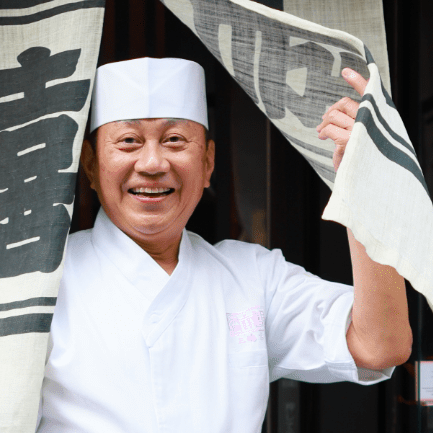
有喜屋 三代目店主
三嶋吉晴
有喜屋(うきや)三代目店主。有喜屋は1929年 京都先斗町に創業した本格手打ちそばと蕎麦料理を提供するそば屋です。 最年少で京都府優秀技能者表彰「京都府の現代の名工」を受彰。 手打そば職人としては全国で初となる「卓越技能章」を厚生労働大臣より受彰。 天皇陛下から授与される褒章である、「黄綬褒章」を拝受。
When visiting Japan, one Japanese dish you should definitely try is Zaru Soba.
Zaru Soba is a simple dish where cold soba noodles are dipped into a separate dipping sauce called soba tsuyu before eating. However, for first-time visitors, there may be many questions, such as:
- “How much should I dip the noodles into the sauce?”
- “How should I use the condiments?”
- “Is it acceptable to slurp soba noodles?”
This article introduces the basic way to eat Zaru Soba, as well as other ways to enjoy it, including Tenzaru Soba (Zaru Soba with tempura) and the style of eating soba with a quail egg. We will also explain the traditional custom of drinking sobayu, the hot water used to boil soba noodles, after finishing your meal.
Enjoy authentic Japanese soba flavors with our online shop!
目次
1. What Is Zaru Soba?
There are many different types of soba in Japan, but Zaru Soba is one of the most representative styles of cold soba.
Let’s take a look at what kind of dish Zaru Soba is.
(1) What Is Zaru Soba?
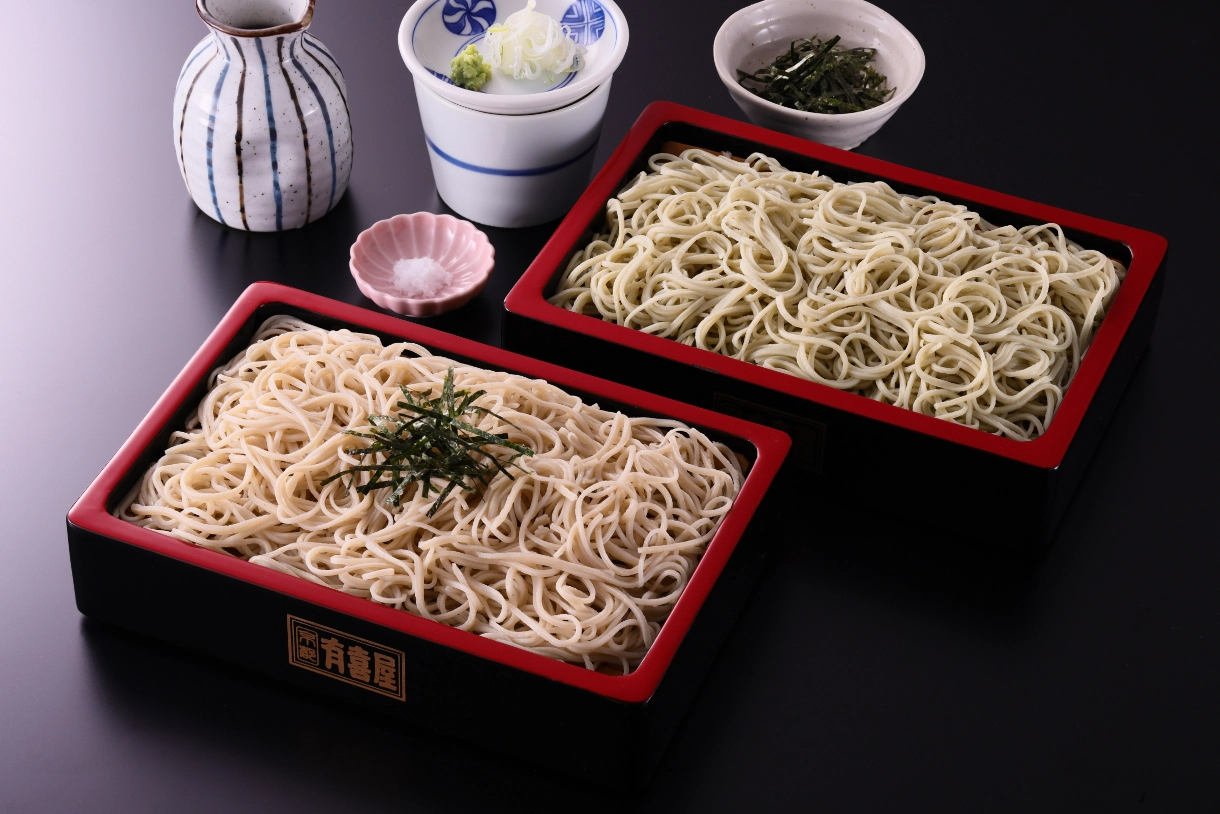
Zaru Soba is a dish made by briefly cooling boiled soba noodles in cold water, draining them, and serving them on a bamboo tray called a “zaru.”
Unlike hot soba, the noodles and dipping sauce are served separately. When eating, the noodles are dipped into the soba tsuyu and enjoyed.
The name comes from the serving container. Since long ago, a bamboo basket called a zaru has been used to serve soba, which is why the dish became known as “Zaru Soba.”
Bamboo baskets allow water to drain easily, making them suitable for serving chilled soba noodles.
The appeal of Zaru Soba is that you can enjoy the original aroma and texture of the noodles together with the flavor of the dipping sauce and the freshness of the condiments.
Although Zaru Soba is often associated with summer in Japan, it can be enjoyed at soba restaurants throughout the year.
(2) Zaru Soba Originated in the Edo Period
Today, Zaru Soba is one of Japan’s most well-known soba dishes, but its roots are said to date back to the Edo period (1603–1868).
According to “Soba no Sanpomichi” (A Walk Through Soba Culture) published by the National Federation of Noodle Industry Associations, the origin of today’s Zaru Soba is believed to have begun when a soba restaurant called Iseya in Fukagawa Suzaki, an area that is now part of Koto City in Tokyo, served soba on bamboo trays during the middle of the Edo period.
Source:Soba no Sanpomichi by the National Federation of Noodle Industry Associations
Another style similar to Zaru Soba is Mori Soba, which is also eaten by dipping noodles into soba tsuyu.
It is said that the name “Mori Soba” became common in order to distinguish this style from bukkake soba, which appeared during the Edo period.
After that, different styles developed, including serving soba on bamboo trays and adding shredded seaweed on top, eventually leading to what is now known as Zaru Soba.
However, the difference between modern Zaru Soba and Mori Soba can vary depending on the restaurant and region.
There is not always a clear distinction based only on the type of serving dish or whether seaweed is included. When visiting a soba restaurant, enjoy experiencing each restaurant’s unique style.
Reference:Reference Cooperative Database, operated by the National Diet Library of Japan
2. Basic Ways to Eat Zaru Soba
Now, let’s look at the basic way to eat Zaru Soba when you order it at a restaurant.
When you order Zaru Soba, it is generally served with cold soba noodles placed on a bamboo tray, a small bowl called a soba choko containing dipping sauce, and condiments such as green onions and wasabi.
Some restaurants may also serve additional condiments such as grated daikon radish or sesame seeds.
There are no strict rules for eating Zaru Soba. Once you understand the basic steps, you can enjoy it according to your own preference.
Basic Steps for Eating Zaru Soba
| step | how to eat |
| 1 | Take an appropriate amount of soba noodles with chopsticks. |
| 2 | Dip the noodles lightly into the soba dipping sauce. |
| 3 | Add condiments and enjoy the flavor. |
| 4 | Slurp the soba noodles while eating. |
(1) Take an Appropriate Amount of Soba Noodles
First, pick up a manageable amount of soba noodles with your chopsticks.
Instead of taking too many noodles at once, it is recommended to take an amount that can be eaten in one bite from the top of the serving.
This makes it easier to dip the noodles into the soba dipping sauce and enjoy them comfortably.
(2) Dip the Soba Noodles Lightly into the Soba Dipping Sauce
After picking up the noodles, it is a good idea to first enjoy the flavor of the soba and dipping sauce without adding any condiments.
A traditional way to eat Zaru Soba is to dip only the end of the noodles into the dipping sauce rather than soaking the entire portion.
By doing this, you can enjoy not only the flavor of the sauce but also the natural aroma and taste of the soba itself.
(3) Add Condiments and Enjoy the Flavor
After enjoying several bites of soba, try adding some condiments.
Common condiments served with Zaru Soba include:
- Green onions
- Wasabi
- Grated daikon radish
- Sesame seeds
You can place the condiments directly on the soba noodles or add them to the dipping sauce.
In particular, placing a small amount of wasabi directly on the soba allows you to enjoy both the aroma of the noodles and the refreshing flavor of wasabi together.
Avoid adding too much at once. Instead, add a small amount gradually and find the flavor combination that you enjoy most.
(4) Slurp the Soba Noodles While Eating
In Japan, it is common to eat soba by gently slurping the noodles.
It is said that slurping helps you better experience the aroma of the soba.
However, there is no rule that you must make a loud sound when eating.
If you are not used to slurping noodles, there is no need to force yourself to make a loud sound. Enjoy the soba in a way that feels comfortable for you.
3. Other Ways to Enjoy Zaru Soba
There are several variations of Zaru Soba, including dishes served with tempura and styles that use quail eggs.
Here are some popular ways to enjoy Zaru Soba.
- How to Eat Tenzaru Soba
- How to Eat Zaru Soba with Quail Egg
(1) How to Eat Tenzaru Soba
Tenzaru Soba is a dish that combines Zaru Soba with tempura.
It allows you to enjoy both the refreshing taste of soba and the crispy texture and aroma of freshly fried tempura at the same time.
In many restaurants, the tempura is served on a separate plate from the soba noodles.
It is commonly eaten by dipping the tempura into tentsuyu (tempura dipping sauce) or adding a small amount of salt.
Some restaurants may also recommend enjoying the tempura with the soba dipping sauce.
Eating soba and tempura alternately allows you to experience the contrast between the cold noodles and warm tempura, as well as the differences in flavor and texture.
There is no specific rule about which one to eat first, so enjoy them in the order you prefer.
(2) How to Eat Zaru Soba with Quail Egg
At some soba restaurants, Zaru Soba may be served with a quail egg along with other condiments.
When a quail egg is provided, it is common to crack the egg into the soba dipping sauce in the soba choko and mix it well before dipping the noodles.
Adding the egg makes the flavor of the dipping sauce milder and creates a different taste experience from regular Zaru Soba.
The way to enjoy quail egg with soba may vary depending on the restaurant.
If you are unsure how to eat it, it is perfectly fine to ask the restaurant staff.
4. Enjoy Sobayu After Finishing Your Meal
Japanese soba culture includes the custom of enjoying sobayu at the end of a meal.
After finishing Zaru Soba, be sure to try sobayu as well.
(1) What Is Sobayu?
Sobayu is the hot water used to boil soba noodles.
At some soba restaurants, a container of sobayu is served around the time you finish eating Zaru Soba.
It is commonly enjoyed by mixing it with the remaining soba dipping sauce, and it is one of the unique experiences offered at soba restaurants.
For more information about sobayu, please see the following article:
▸Why Do People Drink Sobayu? How to Enjoy Sobayu, Important Points to Know, and the History of Sobayu
(2) How to Drink Sobayu
The most common way to enjoy sobayu is to add it to the remaining soba dipping sauce after finishing your noodles.
Add sobayu little by little to the dipping sauce and adjust the strength of the flavor according to your preference.
You can also add remaining condiments such as green onions or wasabi to enjoy another variation of the flavor until the very end.
It is also recommended to drink sobayu by itself without adding any dipping sauce.
You can enjoy its gentle and mild flavor while experiencing the aroma of buckwheat.
(3) Do You Have to Drink Sobayu?
By enjoying sobayu after your meal, you can experience Japanese soba culture more deeply until the very end.
However, drinking sobayu is not something that you must do.
If you are already full or the taste is not to your preference, there is no need to force yourself to drink it.
5. Important Points When Eating Zaru Soba
There are several things to keep in mind in order to enjoy Zaru Soba safely and comfortably.
(1) Be Careful About Soba Allergies
Soba may cause allergic reactions (buckwheat allergy) in some people.
If you have a soba allergy, you should avoid eating Zaru Soba.
If you are unsure whether you can eat soba or have concerns about the ingredients, it is recommended to ask the restaurant staff before ordering.
For additional peace of mind, you can also ask about the cooking equipment and kitchen environment.
(2) Many Types of Soba Are Not Gluten-Free
Buckwheat flour, which is the main ingredient of soba, does not contain gluten.
However, some types of soba contain wheat flour.
In addition, some seasonings used in soba dipping sauce may contain wheat, so people avoiding gluten should be careful.
There are several types of soba, including:
| type | feature |
| Juwari Soba | Soba made with 100% buckwheat flour |
| Nihachi Soba | Soba made with 80% buckwheat flour and 20% wheat flour as a binding ingredient |
In addition, wheat flour may be used in foods served with soba, such as the batter for tempura in Tenzaru Soba.
If you avoid gluten, check with the restaurant before ordering.
(3) Vegetarians and Vegans Should Also Be Careful
Although soba noodles themselves are made from plant-based ingredients, soba dipping sauce commonly contains animal-derived ingredients such as katsuobushi (dried bonito flakes).
In addition, tempura served with Tenzaru Soba may contain animal-derived ingredients such as eggs in the batter, so vegetarians and vegans should be mindful.
Other toppings, such as shrimp, herring, or quail eggs, may also contain animal-based ingredients.
If you follow a vegetarian or vegan diet, do not judge only by the soba noodles themselves. Before ordering, check the ingredients used in the dipping sauce, condiments, and toppings.
Enjoy Delicious Zaru Soba at Ukiya
Zaru Soba is a dish that allows you to experience Japanese soba culture throughout an entire meal—from the aroma and texture of the noodles, to the flavor of the dipping sauce, the changing flavors from condiments, and finally the enjoyment of sobayu.
Because it is such a simple dish, one of its greatest appeals is that you can carefully appreciate the natural flavor and texture of soba itself.
When visiting Japan, use the basic eating methods introduced in this article as a guide and enjoy Zaru Soba at your own pace.
At the end of your meal, be sure to try sobayu as well.
If you have the opportunity to visit Kyoto, we invite you to stop by Ukiya.
Ukiya also offers products through our online shop, allowing you to enjoy authentic soba flavors at home.
Experience Japan’s traditional soba culture through a bowl of soba at Ukiya.