


COLUMN
コラム
What Is Traditional Japanese Craftsmanship? The Art and Tradition of Handmade Soba

この記事の監修者
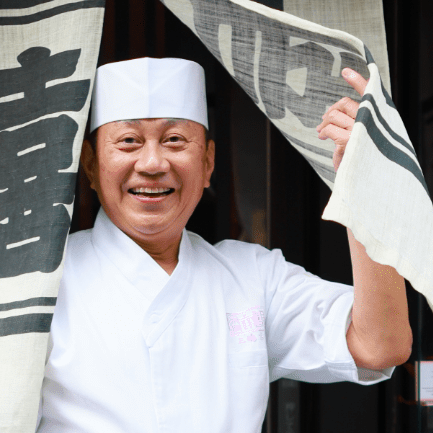
有喜屋 三代目店主
三嶋吉晴
有喜屋(うきや)三代目店主。有喜屋は1929年 京都先斗町に創業した本格手打ちそばと蕎麦料理を提供するそば屋です。 最年少で京都府優秀技能者表彰「京都府の現代の名工」を受彰。 手打そば職人としては全国で初となる「卓越技能章」を厚生労働大臣より受彰。 天皇陛下から授与される褒章である、「黄綬褒章」を拝受。
Japan is home to skilled artisans who continue to preserve traditional techniques and knowledge passed down through generations. Their craftsmanship and dedication can be found not only in traditional arts and crafts but also in Japanese cuisine.
One example is handmade soba, a traditional Japanese noodle dish made primarily from buckwheat flour and water. Although the ingredients are simple, the quality of the noodles depends greatly on the experience and skill of the artisan.
In this article, we explore the meaning of traditional Japanese craftsmanship, the values behind Japan’s artisan culture, and the techniques used to make handmade soba. We also introduce ways to experience these traditional skills firsthand.
We’re selling the finest soba noodles in our online shop!
1. What Is Traditional Japanese Craftsmanship?
Traditional Japanese techniques have been preserved and passed down through generations thanks to the dedication of skilled artisans.
Let’s begin by exploring what traditional Japanese craftsmanship means, the values shared by Japanese artisans, and some representative examples of these time-honored traditions.
(1) The Meaning of Traditional Japanese Craftsmanship
Traditional Japanese craftsmanship refers to the skills, knowledge, experience, and values associated with traditional Japanese arts and crafts.
It involves more than simply making things by hand. It also reflects a dedication to understanding materials, paying close attention to detail, maintaining high standards of quality, and continuously improving one’s skills.
Traditionally, Japanese artisans learn their craft by observing masters and senior craftspeople, practicing repeatedly, and gradually developing their own techniques.
One concept that reflects this process of learning and growth is Shu-Ha-Ri, a Japanese philosophy often associated with martial arts and traditional cultural practices.
Shu-Ha-Ri consists of three stages:
| Stage | Meaning |
| Shu (守) | Learning and faithfully following the fundamental techniques and established forms |
| Ha (破) | Building on those fundamentals while exploring improvements and new approaches |
| Ri (離) | Moving beyond established forms to develop one’s own techniques and style |
Although this philosophy is also used in martial arts and the tea ceremony, it reflects the learning process of many traditional Japanese artisans.
Preserving tradition does not simply mean repeating old techniques without change. It also involves learning from previous generations, applying personal experience, and refining skills to pass them on to the future.
(2) The Values Behind Japanese Craftsmanship
Despite working in different fields, many Japanese artisans share similar values and approaches to their work.
| Core Value | What It Means |
| Precision and attention to detail | Paying close attention to every detail to achieve high-quality results |
| Continuous improvement | Refining skills through daily practice and experience |
| Understanding materials | Recognizing the characteristics of materials and bringing out their natural qualities |
| Adapting to the environment | Adjusting techniques according to temperature, humidity, and other conditions |
| Respect for tools | Maintaining tools carefully and developing the skills needed to use them effectively |
| Passing down techniques | Sharing knowledge and experience with the next generation |
These values are reflected not only in the beauty and quality of finished products but also in the processes used to create them.
The same dedication to understanding ingredients, adapting techniques, and achieving the best possible results can also be found in traditional Japanese cuisine.
(3) Examples of Traditional Japanese Craftsmanship
Japan has a wide variety of traditional skills and techniques that have developed alongside the history, culture, and natural environment of different regions.
| Field | Examples |
| Woodworking and architecture | Traditional temple carpentry and miyadaiku carpenters in Kyoto and Nara |
| Ceramics | Arita ware and Kutani ware |
| Traditional crafts | Japanese lacquerware and traditional textile dyeing |
| Culinary traditions | Kyoto cuisine and handmade soba |
In woodworking and architecture, one notable example is the skill of miyadaiku, traditional Japanese carpenters who specialize in constructing and restoring temples and shrines.
These artisans require extensive knowledge and experience to understand the properties of wood and assemble complex wooden structures.
In ceramics, Arita ware from Saga Prefecture is one of Japan’s best-known traditional crafts. Each piece is created through several stages, including shaping, decorating, glazing, and firing.
Artisans must understand the characteristics of clay and glazes and use their experience to achieve the desired shapes, colors, and finishes.
Japanese lacquerware is another example of traditional craftsmanship. It involves applying multiple layers of lacquer to create durable and beautifully finished objects. Traditional textile dyeing also relies on skilled techniques to produce intricate patterns and designs.
What these crafts share is a deep understanding of materials and a commitment to quality through careful, detailed work.
The same philosophy can be seen in Japanese cuisine.
In Kyoto cuisine, seasonal ingredients are carefully selected and prepared to highlight their natural flavors and appearance.
Handmade soba is another example of a traditional Japanese food in which skilled artisans use their knowledge and experience to transform simple ingredients into a distinctive culinary experience.
2. Traditional Japanese Craftsmanship in Handmade Soba
Handmade soba is one of the traditional Japanese foods that reflects the values of Japanese craftsmanship.
Although soba noodles are made from simple ingredients such as buckwheat flour and water, their final quality depends greatly on the artisan’s experience, judgment, and technique.
Here, we explore the connection between soba and traditional Japanese craftsmanship, as well as the skills that soba artisans have passed down through generations.
(1) Soba as an Example of Traditional Japanese Craftsmanship
Soba has been enjoyed throughout Japan for generations.
Different regions have their own buckwheat varieties, preparation methods, dipping sauces, and ways of serving soba. These regional differences reflect local climates, history, and food traditions.
For more information about the ingredients, varieties, and traditional ways of eating soba in Japan, see our related article:
What Is Soba? A Simple Guide to Japan’s Traditional Buckwheat Noodles for International Visitors
Among the different ways of preparing soba, handmade soba requires particular skill because artisans carry out each stage of the noodle-making process by hand.
There are several types of soba, including juwari soba, made entirely from buckwheat flour, and nihachi soba, typically made with 80% buckwheat flour and 20% wheat flour.
The ingredients are only one factor that determines the final result. The amount of water used, the way the dough is handled, and the thickness of the noodles all affect their texture and how they feel when eaten.
Artisans must understand the characteristics of their ingredients and adjust their techniques to achieve the desired flavor and texture.
Handmade soba, with its carefully preserved techniques, offers a familiar and accessible way to experience Japanese craftsmanship.
(2) The Skills and Experience of Soba Artisans
Behind every bowl of handmade soba is the skill of an artisan who carefully assesses the ingredients throughout the preparation process.
Making soba involves more than simply following a set of instructions. Artisans must make small adjustments according to the condition of the buckwheat flour, as well as factors such as temperature and humidity.
For example, even when using the same amount of buckwheat flour, the ideal amount of water may vary depending on the condition of the flour.
Adding too much water can make the dough overly soft, while too little water can make it difficult to bring the dough together.
Experienced artisans rely on the feel and appearance of the dough to determine how much water to add and how to handle it.
This ability to make precise judgments is developed through years of repeated practice.
Using traditional tools, such as rolling pins and specialized soba knives, is another important part of the craft.
To roll the dough evenly and cut noodles of a consistent thickness, artisans must master the movement of their tools and the amount of pressure they apply.
Respecting ingredients, adapting to changing conditions, and continually striving to make better soba are all examples of the values that define traditional Japanese craftsmanship.
To learn more about the characteristics of handmade soba and the techniques used by skilled artisans, explore our related article:
Handmade Soba in Japan: A Guide to Traditional Buckwheat Noodles
3. How Handmade Soba Is Made: The Craftsmanship Behind Every Bowl
Making handmade soba involves several carefully performed steps, from selecting ingredients to kneading, rolling, cutting, and cooking the noodles.
Each stage requires different techniques, and even small adjustments can affect the final flavor and texture.
Let’s look at the four main stages of traditional handmade soba preparation.
- Selecting the ingredients
- Mixing with water and kneading
- Rolling and cutting the dough
- Boiling and finishing the noodles
The first step in making soba is selecting the right ingredients.
Artisans consider the origin and variety of the buckwheat, as well as how the buckwheat flour has been milled, to achieve the flavor and texture they want.
The characteristics of buckwheat flour can influence its aroma, flavor, and ability to absorb water.
For this reason, understanding the ingredients is an essential part of traditional soba craftsmanship.
(2) Mixing with Water and Kneading
The first stage of preparing soba dough is called mizumawashi, a process in which water is gradually mixed into the buckwheat flour.
The goal is to distribute moisture evenly throughout the flour.
Because the way flour absorbs water can vary depending on its condition, temperature, and humidity, artisans carefully observe the texture and consistency of the mixture while adjusting the amount of water they add.
The next step is kneading, known as kone.
During this stage, the moistened flour is brought together into a cohesive dough.
If the moisture is unevenly distributed or the dough is not handled properly, it may become difficult to work with, and the noodles may break more easily.
Careful kneading helps prepare the dough for the following stages and contributes to the final quality of the noodles.
(3) Rolling and Cutting the Dough
The next stage is noshi, the process of rolling the dough into a thin, even sheet using a rolling pin.
Artisans carefully control the movement and pressure of the rolling pin to achieve a consistent thickness.
If the dough is uneven, the noodles may cook at different rates, resulting in an inconsistent texture.
After rolling comes the cutting stage, known as kiri.
Using a specialized soba knife, the artisan cuts the sheet of dough into thin noodles.
Cutting the noodles to a consistent width helps them cook evenly and creates a more uniform texture.
The ability to roll the dough evenly and cut it with precision is one of the essential skills of traditional handmade soba craftsmanship.
(4) Boiling and Finishing the Noodles
Making soba does not end once the noodles have been cut.
Boiling and finishing the noodles are equally important steps that affect their final taste and texture.
Artisans adjust the cooking time according to the thickness and condition of the noodles to achieve the desired consistency.
For cold soba, the cooked noodles are rinsed in water to remove excess starch from the surface, then cooled to give them a firmer, more refreshing texture.
Carefully handling the noodles and serving them promptly also helps preserve their quality.
From selecting the ingredients to preparing and serving the finished dish, every step of handmade soba involves specialized knowledge and skill.
The artisan’s ability to assess ingredients, adapt to changing conditions, and make precise adjustments is what brings these traditional techniques together in a single bowl of soba.
4. How to Experience Traditional Japanese Craftsmanship Through Soba
Traditional Japanese craftsmanship can be appreciated not only by learning about its history and techniques but also by watching artisans at work, tasting their creations, and trying the techniques yourself.
Here are three ways to experience Japanese craftsmanship through soba.
- Watch a soba artisan at work
- Enjoy a bowl of handmade soba
- Join a hands-on soba-making experience
(1) Watch a Soba Artisan at Work
Watching an experienced soba artisan can help you appreciate the precise movements and techniques that are difficult to fully understand through photographs or written explanations.
By observing the artisan’s hands, you can see how they assess the texture of the dough and adjust their movements throughout the process.
From mixing the flour with water to cutting the noodles, each stage requires different skills and careful judgment.
The experience provides an opportunity to appreciate the attention to detail involved in traditional soba making.
Some soba restaurants and cultural workshops offer demonstrations where visitors can watch artisans at work. Availability varies, so it is best to check in advance.
(2) Enjoy a Bowl of Handmade Soba
One of the easiest ways to appreciate the skill of a soba artisan is simply to enjoy a bowl of handmade soba.
As you eat, pay attention to the noodles’ aroma, firmness, and smooth texture.
These qualities can offer a glimpse into the care taken when selecting ingredients, preparing the dough, and cutting the noodles.
You can also explore the different flavors created by combining soba with dipping sauces, broth, and traditional condiments.
Trying soba in different regions is another way to discover the diversity of Japanese food culture.
(3) Join a Hands-On Soba-Making Experience
Trying to make soba yourself is an excellent way to discover the depth and difficulty of traditional Japanese craftsmanship.
During a hands-on soba-making experience, you can learn how challenging it is to bring the dough together evenly, roll it into a thin sheet, and cut the noodles to a consistent thickness.
Even techniques that look simple when performed by an experienced artisan often require considerable care and practice.
By making soba with your own hands, you can develop a deeper appreciation for the skills behind a dish that many people enjoy as part of everyday life.
A soba-making workshop can also be a memorable cultural experience for visitors who want to discover a different side of Japan’s culinary traditions.
Experience Traditional Japanese Craftsmanship Through Handmade Soba at Ukiya in Kyoto
Traditional Japanese craftsmanship is about preserving and passing down the techniques, knowledge, and dedication developed over generations.
These values can be found not only in traditional crafts such as woodworking, ceramics, and lacquerware, but also in handmade soba, where artisans carefully select ingredients, refine their techniques, and preserve culinary traditions.
If you are visiting Kyoto and would like to experience traditional Japanese craftsmanship, consider enjoying authentic handmade soba at Ukiya.
At Ukiya, a long-established soba restaurant in Kyoto, third-generation owner Yoshiharu Mishima has devoted himself to refining and passing down the skills of traditional soba making.
In 2003, Mishima was recognized as a Contemporary Master Craftsman by Kyoto Prefecture.
In 2011, he became the first handmade soba artisan in Japan to receive the national Contemporary Master Craftsman honor, awarded by Japan’s Ministry of Health, Labour and Welfare in recognition of outstanding professional skills.
He was also awarded the Medal with Yellow Ribbon in 2013 and the Medal with Blue Ribbon in 2019.
These honors reflect his long-standing dedication to soba craftsmanship and his contributions to preserving and promoting traditional culinary skills.
Ukiya also offers the Kyoto Ukiya Soba-Making School, known in Japanese as Kyoto Uki Soba Shinryu Soba-uchi Juku, where visitors can learn about the techniques of traditional handmade soba.
The school offers introductory hands-on experiences for beginners, as well as courses for those who wish to continue developing their soba-making skills.
By participating in a soba-making experience, you can discover firsthand how challenging it is to handle the ingredients, adjust the amount of water, roll the dough evenly, and cut the noodles into consistent strands.
Learning about the techniques artisans have developed over many years can deepen your understanding of Japanese food culture.
For details about the experiences, available dates, and reservations, visit the official website.
Learn More About Ukiya’s Soba-Making School
When visiting Kyoto, why not go beyond simply tasting handmade soba and discover the craftsmanship, dedication, and traditions behind every bowl?