
COLUMN
コラム
What Is Tea Soba?|A Guide to the Flavor, Color, and Best Ways to Enjoy Japanese Cha Soba
この記事の監修者
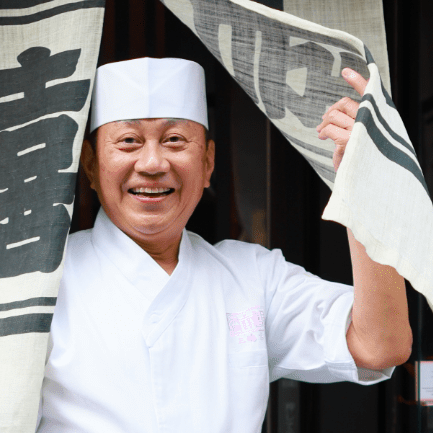
有喜屋 三代目店主
三嶋吉晴
有喜屋(うきや)三代目店主。有喜屋は1929年 京都先斗町に創業した本格手打ちそばと蕎麦料理を提供するそば屋です。 最年少で京都府優秀技能者表彰「京都府の現代の名工」を受彰。 手打そば職人としては全国で初となる「卓越技能章」を厚生労働大臣より受彰。 天皇陛下から授与される褒章である、「黄綬褒章」を拝受。
Japan is home not only to the familiar white or gray varieties of soba, but also to a beautiful green noodle known as cha soba, or tea soba.
Cha soba has long been enjoyed as part of Japanese cuisine because it combines the refreshing aroma of tea with the natural flavor of buckwheat. Its vivid color also reflects the importance placed on seasonality and visual presentation in Japanese cooking.
This article introduces the characteristics and history of cha soba, regional ways of enjoying it, and recommended ways to eat it, along with useful information for international visitors to Japan.
We’re selling the finest soba noodles in our online shop!
目次
1. What Is Cha Soba? Japanese Soba Made with Tea
Cha soba is popular not only for its flavor but also for its beautiful appearance.
Here, we will take a closer look at what makes cha soba unique.
(1)What Is Cha Soba? How Is It Different from Regular Soba?
Cha soba is a type of soba made by mixing matcha or powdered green tea into dough containing buckwheat flour.
Many varieties also use wheat flour or another binding ingredient. Cha soba is generally considered a type of kawari soba, a category of flavored or specially prepared soba noodles.
Regular soba is mainly enjoyed for the roasted aroma and subtle sweetness of buckwheat. Cha soba, by contrast, has the refreshing fragrance and slight bitterness of green tea or matcha, giving it a more delicate and refreshing taste.
Another distinctive feature is its beautiful green color.
In many cases, the color comes naturally from the matcha or green tea blended into the dough. The green hue adds a sense of seasonality and visual elegance, both of which are highly valued in Japanese cuisine.
Cha soba is especially popular in summer because its appearance creates a refreshing and cooling impression.
| Cha Soba | Regular Soba | |
|---|---|---|
| Main ingredients | Buckwheat flour, tea such as green tea or matcha, water, and a binding ingredient | Buckwheat flour, water, and a binding ingredient |
| Color | Green | Gray or light brown |
| Aroma | Refreshing green tea or matcha aroma | Primarily the natural aroma of buckwheat |
| Flavor | Slight tea bitterness combined with buckwheat flavor | Roasted buckwheat aroma and subtle sweetness |
(2)The History of Cha Soba: A Combination of Soba and Japanese Tea Culture
In Japan, soba became widely popular as an everyday food during the Edo period.
Tea also developed into an essential part of daily life and traditional hospitality. In tea-producing regions, people are believed to have begun mixing matcha or green tea into soba dough to add the distinctive aroma and vivid color of tea.
This combination eventually became known as cha soba.
Japanese cuisine values not only flavor but also visual beauty and seasonality. With its green color reminiscent of fresh spring leaves, cha soba has been enjoyed as a refreshing summer dish and as an elegant item served on special occasions.
Today, it can be found at soba restaurants and Japanese restaurants throughout the country.
(3)Cha Soba and Soba Tea Are Different
International visitors sometimes confuse cha soba, or tea soba, with soba tea because the names sound similar.
However, they are completely different foods.
- Cha soba / Tea soba / Green tea soba: A noodle dish made by blending matcha or green tea into soba dough
- Soba tea / Buckwheat tea: A drink made from roasted buckwheat seeds
Cha soba is soba containing tea, while soba tea is tea made from buckwheat.
Understanding the difference will make it easier to order from restaurant menus and help you appreciate Japanese food culture more deeply.
2. The Appeal of Cha Soba
Cha soba has several qualities that distinguish it from regular soba.
- You can enjoy the refreshing aroma and flavor of tea.
- Its vivid green appearance is visually appealing.
- It allows you to enjoy ingredients derived from both buckwheat and green tea.
(1)Enjoy the Refreshing Aroma and Flavor of Tea
The greatest appeal of cha soba is its refined flavor, created by the harmony between the roasted aroma of buckwheat and the refreshing fragrance of tea.
Unlike regular soba, cha soba has the gentle bitterness and umami of tea, giving it a more delicate and complex taste.
As you take a bite, the fresh aroma of tea spreads through your mouth. As you continue chewing, you can also appreciate the roasted flavor and subtle sweetness of the buckwheat.
The flavor varies depending on the type of tea used.
Cha soba made with matcha tends to have a richer and more intense aroma, while noodles made with green tea often have a lighter and more refreshing flavor.
Comparing the differences between restaurants and regions can be an enjoyable part of traveling in Japan.
(2)Bright, Colorful, and Beautiful
The natural green color created by blending matcha or green tea into the dough is another major attraction of cha soba.
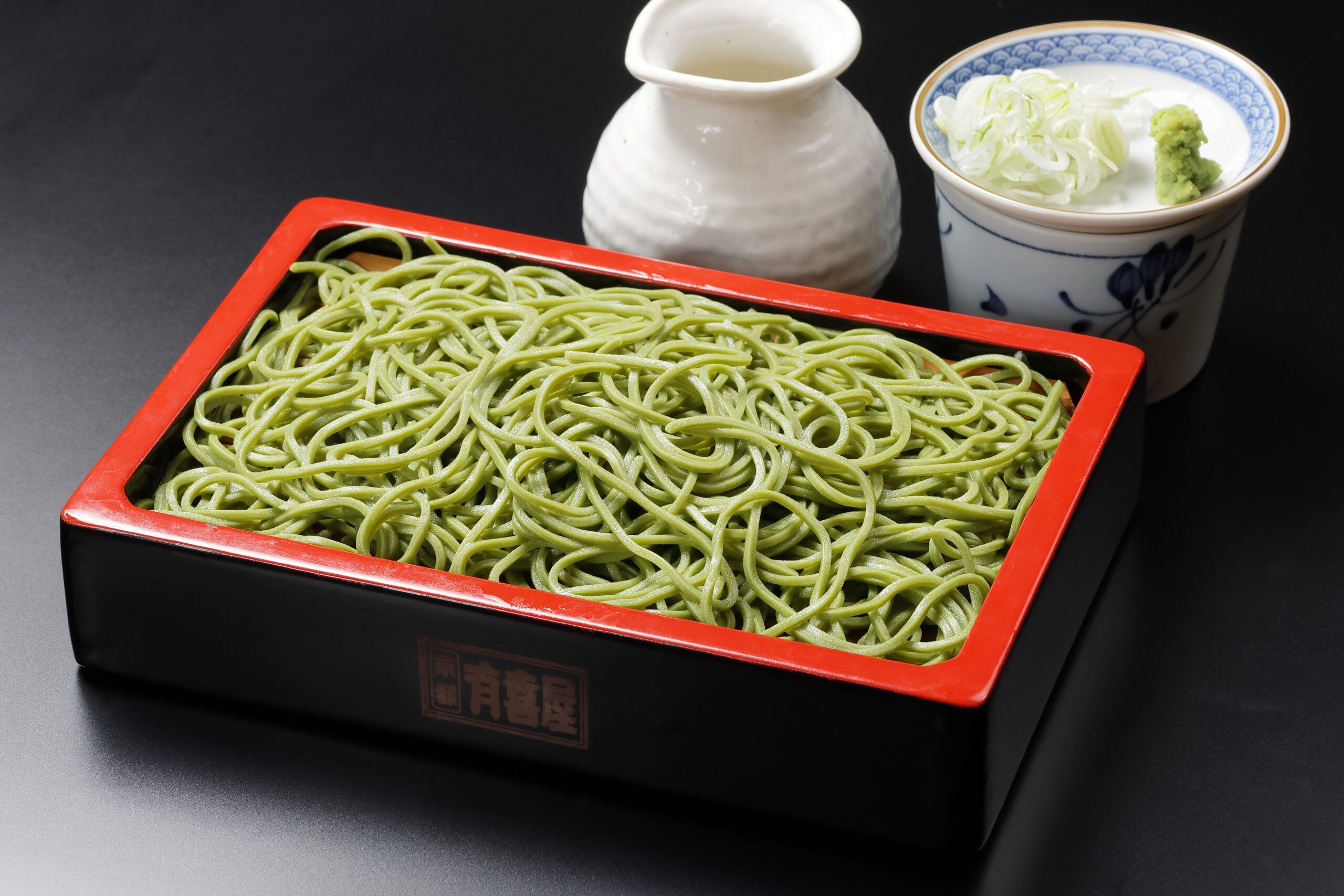
Cold zaru cha soba is particularly attractive when served on a white plate or bamboo tray. The vivid green noodles create a refreshing visual contrast and are especially appealing during the warmer months.
Its elegant appearance also makes it popular among international travelers looking for photogenic Japanese food.
Cha soba reflects the Japanese aesthetic of enjoying food not only for its flavor but also for its seasonality, color, and presentation.
(3)Enjoy Ingredients Derived from Both Buckwheat and Green Tea
Cha soba is appealing not only for its flavor and appearance but also because it combines ingredients derived from buckwheat and tea.
Buckwheat contains dietary fiber and plant-based protein and has long been enjoyed as part of the Japanese diet.
Matcha and green tea used in cha soba also contain tea-derived components such as catechins.
Travelers often eat more meat dishes and fried foods than usual while visiting Japan. Cha soba can offer a lighter, more refreshing meal while still providing an opportunity to experience Japanese food culture.
However, the amount and type of buckwheat flour and tea used differ between products and restaurants. Nutritional content therefore varies and should not be considered uniform.
Rather than choosing cha soba only for possible health benefits, enjoy the aroma, flavor, and character created by its ingredients.
3. The Best Ways to Eat Cha Soba
There are several ways to enjoy cha soba.
(1)Cold Cha Soba
For your first experience, cold zaru cha soba is highly recommended.
After being boiled, the noodles are thoroughly cooled in cold water. This gives them a firmer texture and helps bring out their fresh tea aroma and vivid color.
Cha soba is commonly eaten by lightly dipping it into a chilled, dashi-based soba sauce.
Condiments such as wasabi, shredded nori seaweed, and chopped green onion may also be served alongside it.
Dipping the noodles too deeply may make the tea aroma harder to appreciate.
Begin by dipping only a small part of the noodles into the sauce. You can then adjust the amount according to your preference while enjoying the flavors of both the tea and buckwheat.
(2)Hot Cha Soba
During the colder months, hot cha soba served with warm dashi broth provides a gentle and comforting flavor.
It pairs well with ingredients that highlight natural flavors, such as mountain vegetables, yuba tofu skin, and mushrooms.
The harmony between the tea aroma and an elegant, flavorful broth is one of the distinctive pleasures of hot cha soba.
(3)Enjoy a Richer Tea Aroma with Matcha Soba
For those who want to experience a stronger tea aroma, matcha soba is an excellent choice.
Matcha soba made with high-quality matcha is known for its vivid emerald-green color and the distinctive sweetness, umami, and rich fragrance of matcha.
Cold matcha soba is especially recommended when you want to appreciate the tea aroma fully.
Serving it with a simple dipping sauce allows the unique character of the matcha to stand out.
4. Where to Enjoy Cha Soba in Japan
Tea soba is particularly enjoyable in regions with a strong tea culture.
(1)Experience Matcha Culture in Uji, Kyoto
Uji City in Kyoto Prefecture is widely known as a producer of high-quality Uji tea.
The area offers many foods and traditional sweets made with matcha, and cha soba is one of the local dishes visitors can enjoy.
Combining a cha soba meal with temple visits and stops at traditional tea houses allows you to experience Kyoto’s tea and food culture more deeply.
(2)Taste Cha Soba in Shizuoka, One of Japan’s Major Tea-Producing Regions
Shizuoka Prefecture is one of Japan’s best-known tea-producing regions.
Cha soba made with high-quality local green tea has a particularly refreshing fragrance and allows visitors to enjoy flavors associated with the region.
Eating cha soba made with local tea while viewing the peaceful landscape of expansive tea fields can be a memorable experience unique to Shizuoka.
(3)Try Kawara Soba in Yamaguchi
For a cha soba experience unlike the usual cold or hot noodle dishes, try kawara soba in Yamaguchi Prefecture.
The dish consists of grilled cha soba noodles served on a heated roof tile with beef, shredded egg, and other ingredients.
The noodles and toppings are dipped into a warm sauce before eating.
This unusual serving style is rare even within Japan. The combination of different ingredients provides a variety of flavors and textures in a single dish.
5. Things to Know Before Eating Cha Soba
Before trying cha soba in Japan, there are five important points to keep in mind.
- Not all cha soba is completely free from additives.
- Cha soba may contain caffeine.
- Buckwheat can cause allergic reactions.
- Many cha soba noodles contain wheat flour.
- Cha soba dishes are not always vegetarian.
(1)Not All Cha Soba Is Completely Additive-Free
The green color of cha soba often comes naturally from the matcha or green tea blended into the dough rather than from artificial coloring.
The color expresses the seasonality and visual beauty valued in Japanese cuisine.
However, not all commercially available cha soba is completely additive-free or made without coloring agents.
The green color of tea is sensitive to heat and light and may fade easily. For this reason, some products use ingredients such as gardenia coloring or chlorella powder to help maintain an attractive color.
To enjoy the natural flavor of tea more directly, check the ingredients list when purchasing packaged cha soba and choose a product without added coloring.
(2)Cha Soba May Contain Caffeine
Cha soba made with matcha or green tea may contain a small amount of caffeine, depending on the product.
The amount is generally unlikely to be significant in a normal serving. However, caffeine content varies according to the type and amount of tea used.
Parents of young children, pregnant travelers, and people who limit their caffeine intake may wish to ask the restaurant for more information.
(3)Be Aware of Buckwheat Allergies
Like regular soba, cha soba is made using buckwheat flour.
Buckwheat can cause severe allergic reactions in some people. Those with a known buckwheat allergy should not eat cha soba.
When necessary, also ask restaurant staff about possible cross-contact with buckwheat in the kitchen.
(4)Many Cha Soba Noodles Contain Wheat Flour
Many packaged cha soba products and noodles served at restaurants contain wheat flour as a binding ingredient.
Therefore, cha soba is not necessarily gluten-free.
People with a wheat allergy or those avoiding gluten should check the ingredients before ordering or purchasing cha soba.
Even when the noodles themselves do not contain wheat, the dipping sauce, seasonings, or preparation environment may involve wheat-based ingredients.
(5)Cha Soba Is Not Always Vegetarian
The noodles themselves are often made primarily from plant-based ingredients.
However, the dipping sauce and hot broth commonly contain seafood-based dashi made with ingredients such as dried bonito flakes or dried sardines.
Kawara soba also usually includes beef and egg.
Vegetarian and vegan travelers should ask whether animal-based dashi or toppings are used before ordering.
Experience Japanese Soba Culture at Ukiya in Kyoto
Cha soba was created through the combination of Japan’s long-established soba culture and its rich tea traditions.
Its refreshing tea aroma and natural buckwheat flavor make it a uniquely Japanese dish with visual and culinary appeal.
During your visit to Japan, try authentic cha soba and discover a food experience that reflects the country’s appreciation for flavor, seasonality, and presentation.
For those interested in experiencing soba culture in Kyoto, Ukiya is a long-established soba restaurant worth visiting.
Through aromatic soba and carefully prepared dishes incorporating seasonal ingredients, guests can experience traditional Japanese soba culture and heartfelt hospitality.
Ukiya also offers products through our online shop, allowing you to enjoy authentic soba flavors at home.
Experience Japan’s traditional soba culture through a bowl of soba at Ukiya.